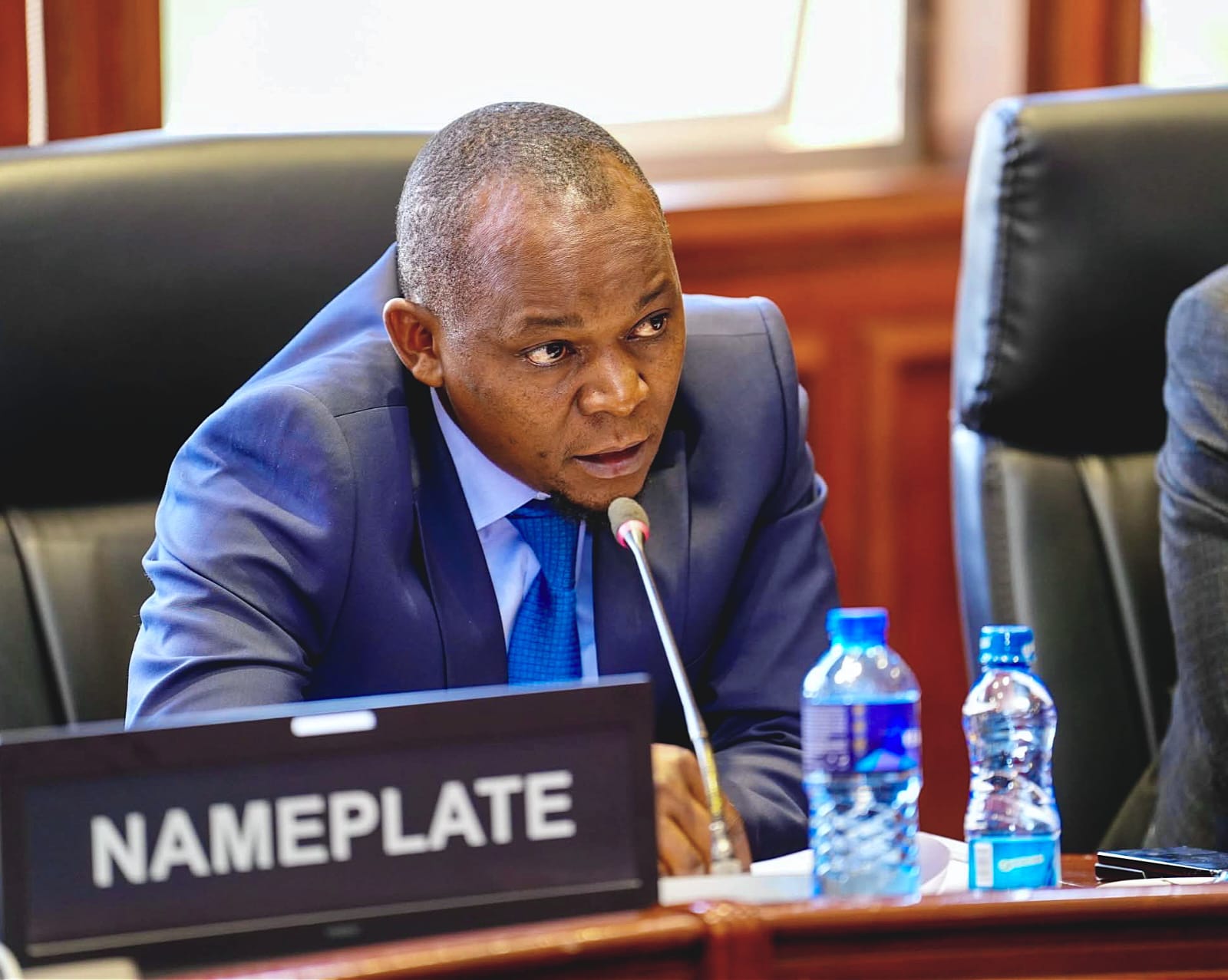
A proposal to raise the legal drinking age in Kenya from 18 to 21 years is now before Parliament after Bomachoge Chache MP Alfa Miruka Ondieki sponsored a Bill aimed at shielding young people from the risks linked to alcohol use.
The proposed Alcoholic Drinks Control (Amendment) Bill, 2024 seeks to overhaul key provisions of the current law by tightening rules on who can access, sell, promote, and work in the alcohol sector. The changes target what the lawmaker describes as gaps that expose young people to harm at a vulnerable stage of life.
Referred to as 'the son of the pastor,' the legislator defends the proposals in the Bill’s Memorandum of Objects and Reasons, arguing that the current legal threshold allows early exposure to alcohol before individuals fully grasp its effects.
“The principal object of this Bill is to amend the Alcoholics Drinks Control Act, Cap 121 to increase the alcohol consumption age from eighteen years to twenty one years,” said Miruka.
The existing Alcoholic Drinks Control Act, Cap 121, also known as the Mututho Laws, regulates the manufacture, sale, and consumption of alcohol in Kenya. It sets the legal drinking age at 18, outlines licensing rules through designated committees, bans the sale of alcohol in sachets, and restricts outlets from operating near schools.
Miruka maintains that individuals at 18 are still transitioning into adulthood and may lack the capacity to make informed decisions on alcohol use.
“The justification for the amendment is that a person who has turned eighteen years of age is still not mature enough to understand the implications of alcohol consumption as such a person is transitioning from a teenager to an adult and may not understand the implications of alcohol consumption,” said Miruka.
The Bill proposes a blanket change across the law by replacing the word “eighteen” with “twenty one.” This would affect entry into licensed premises, employment in alcohol-related businesses, and participation in alcohol advertising and promotions.
If approved, access to alcohol services, licensing, and promotional activities would be limited strictly to those aged 21 and above.
The lawmaker also notes that the proposed changes will not require additional public spending.
“The enactment of this Bill shall not occasion additional expenditure of public funds,” said Miruka.
Further, the Bill makes it clear that it does not shift functions to county governments or delegate legislative powers, focusing instead on strengthening national control over the alcohol sector.
The proposal is currently at the committee stage in Parliament, where it will undergo scrutiny as lawmakers balance public health concerns with personal freedoms and existing legal limits.